

How do I check the condition of a used Subaru Strut Assembly?
Sep 09, 2025
Leave a message
As a trusted supplier of Subaru Strut Assemblies, I understand the importance of ensuring the quality and condition of these crucial automotive components. Whether you're a mechanic, a car enthusiast, or a buyer looking for reliable used strut assemblies, knowing how to check their condition is essential. In this blog post, I'll share my expertise on how to assess the condition of a used Subaru Strut Assembly, helping you make informed decisions and avoid potential issues down the road.
Visual Inspection
The first step in checking a used Subaru Strut Assembly is a thorough visual inspection. This can reveal a lot about the strut's overall condition and help you identify any obvious signs of damage or wear.
Examine the Exterior
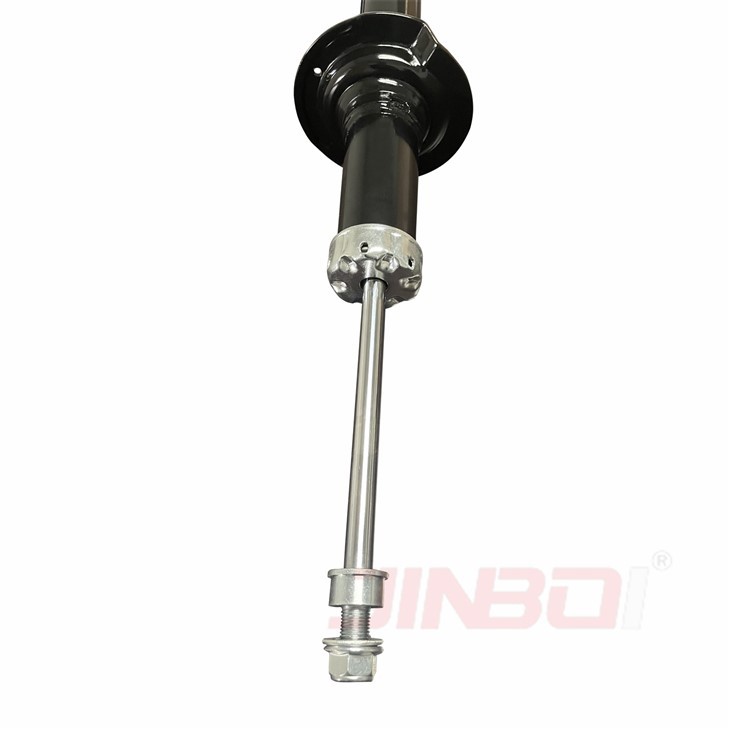
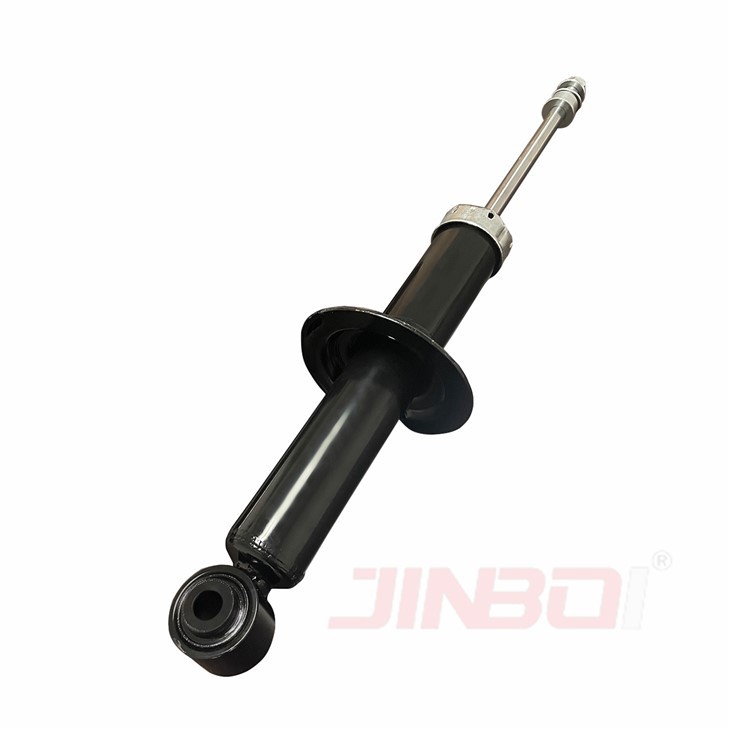
Start by looking at the exterior of the strut assembly. Check for any signs of physical damage, such as dents, cracks, or bends. These can indicate that the strut has been subjected to excessive force or impact, which may have compromised its structural integrity. Pay close attention to the mounting points and brackets, as damage in these areas can affect the strut's ability to function properly.
Look for Leaks
One of the most common issues with strut assemblies is fluid leakage. Check the strut for any signs of oil or hydraulic fluid leaking from the seals. Leaking fluid can indicate worn or damaged seals, which can lead to a loss of damping performance and potentially cause further damage to the strut. Look for wet spots, drips, or a buildup of fluid around the strut body or the mounting points.
Check the Boot
The boot is a protective cover that surrounds the strut piston rod. It helps prevent dirt, debris, and moisture from entering the strut and causing damage. Inspect the boot for any tears, cracks, or signs of wear. A damaged boot can allow contaminants to enter the strut, leading to premature wear and failure. If the boot is damaged, it should be replaced as soon as possible to protect the strut.
Inspect the Bushings
Bushings are rubber or polyurethane components that provide a cushion between the strut and the vehicle's suspension system. Check the bushings for any signs of wear, cracking, or deformation. Worn bushings can cause excessive noise, vibration, and play in the suspension, which can affect the vehicle's handling and ride quality. If the bushings are damaged, they should be replaced to restore proper suspension function.
Functional Testing
In addition to a visual inspection, it's important to perform a functional test of the used Subaru Strut Assembly to ensure that it's working properly. This can help you identify any hidden issues that may not be apparent from a visual inspection alone.
Bounce Test
The bounce test is a simple way to check the damping performance of the strut assembly. With the vehicle parked on a level surface, push down firmly on one corner of the vehicle and then release it. The vehicle should bounce up and down a few times and then come to rest. If the vehicle continues to bounce or oscillate for an extended period of time, it may indicate that the strut assembly is worn or damaged and not providing adequate damping.
Compression and Rebound Test
A more comprehensive way to test the strut assembly is to perform a compression and rebound test. This requires the use of a specialized tool, such as a strut compressor or a hydraulic press. The test involves compressing the strut assembly to its maximum travel and then releasing it to allow it to rebound. The strut should compress and rebound smoothly and evenly, without any binding or excessive resistance. If the strut feels stiff or sticky, or if it makes unusual noises during the test, it may indicate that there's a problem with the internal components of the strut.
Road Test
If possible, take the vehicle for a road test to evaluate the performance of the strut assembly in real-world driving conditions. Pay attention to how the vehicle handles, accelerates, brakes, and corners. Notice any unusual noises, vibrations, or handling characteristics, such as pulling to one side or a rough ride. If you notice any issues during the road test, it may indicate that the strut assembly is not functioning properly and needs to be replaced.
Consider the Age and Mileage
In addition to the visual inspection and functional testing, it's important to consider the age and mileage of the used Subaru Strut Assembly. Strut assemblies have a limited lifespan, and they will eventually wear out and need to be replaced. As a general rule, strut assemblies should be replaced every 50,000 to 100,000 miles, depending on the driving conditions and the quality of the components.
If the used strut assembly has high mileage or is several years old, it may be more likely to have worn or damaged components, even if it appears to be in good condition on a visual inspection. In some cases, it may be more cost-effective to replace the strut assembly with a new one rather than risk potential problems down the road.
Conclusion
Checking the condition of a used Subaru Strut Assembly is an important step in ensuring the safety and performance of your vehicle. By performing a thorough visual inspection, functional testing, and considering the age and mileage of the strut assembly, you can identify any potential issues and make an informed decision about whether to purchase or replace the used strut assembly.
At our company, we offer a wide range of high-quality Subaru Full Set Suspension Strut Assembly, Subaru Suspension Rear Shock Absorber, and Subaru Suspension Shocks and Struts. Our products are designed to meet or exceed the original equipment specifications, ensuring a perfect fit and reliable performance. If you're in the market for a used Subaru Strut Assembly or have any questions about our products, please don't hesitate to contact us. We're here to help you find the right solution for your vehicle.
References
- "How to Check Your Car's Shock Absorbers and Struts." Edmunds, 2023.
- "Strut Assembly Inspection and Replacement." AutoZone, 2023.
- "The Importance of Suspension Maintenance." Car and Driver, 2023.